

[Long-lasting] Laser Hair Removal[Makeup Adhesion UP] Facial Peach Fuzz Laser Hair Removal
![[Makeup Adhesion UP] Facial Peach Fuzz Laser Hair Removal](/_next/image?url=https%3A%2F%2Ffirebasestorage.googleapis.com%2Fv0%2Fb%2Fkkeutguro-7e583.firebasestorage.app%2Fo%2Fproducts%252Fguro%252Fen%252F1758790675066_4af4bb88-cff0-4839-8d0f-c205d029a569_004-copy-2-ezgif.com-png-to-webp-converter.webp%3Falt%3Dmedia%26token%3D8162b58e-8783-4019-88cf-54e93ff8df98&w=2048&q=75)
[Makeup Adhesion UP] Facial Peach Fuzz Laser Hair Removal
While facial peach fuzz is usually not very noticeable, it can be a cause of makeup caking or sliding off. Apogee Elite Plus laser hair removal helps to tidy up fine facial hair and create a smoother skin texture. You can expect your makeup to adhere more naturally. All hair removal treatments are available at 34.5% of the 5-session package price for a single session, and you can request a female director on any day. *VAT not included
Options
Treatment Details


Features of Facial Vellus Hair Removal Treatment
1. This treatment focuses on improving skin appearance, beyond just vellus hair removal.
While facial vellus hair is fine and not easily noticeable,
it can be a factor in makeup not adhering evenly or the skin tone not appearing clear.
Vellus hair removal here
is a process that goes beyond simply removing hair; it helps improve makeup adhesion and gives the skin a natural glow.
2. Immediate changes may be observed due to the thermal denaturation response of hair during laser treatment.
When laser energy is precisely delivered to vellus hair,
the hair denatures due to heat, and the skin can feel refined immediately after.
With these changes, you can experience improved makeup adhesion even after a single treatment.
After approximately 5 repeated treatments, though individual results may vary, the growth rate of vellus hair may slow down or its density may decrease.
As a result, it can contribute to maintaining a skin condition where makeup adheres better.
3. Facial-specific treatment settings that reduce the possibility of hyperpigmentation and folliculitis
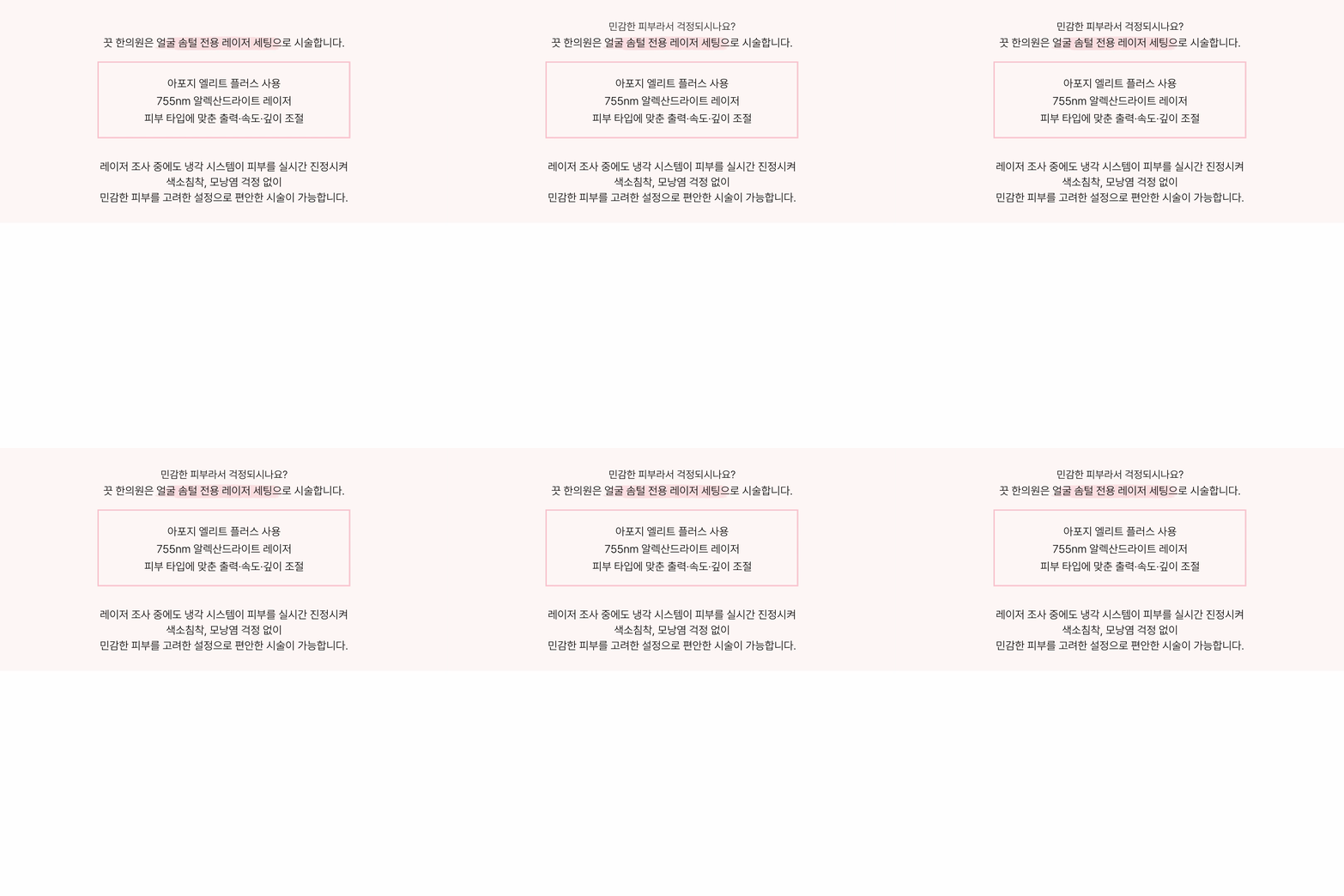
We utilize the Apogee Elite Plus laser.
The treatment is performed using a 755nm Alexandrite wavelength and output settings optimized for the face.
We aim for stable hair removal by meticulously adjusting parameters such as pulse speed and depth, along with continuous cooling during the treatment.
These laser settings help reduce discomfort for those with sensitive skin, allowing them to receive treatment more comfortably.
5. In addition to immediate smoothness, repeated treatments are expected to improve skin texture and light reflection.
Even after one treatment, you can experience improvements in makeup adhesion and skin texture.
Once treatments accumulate to 5 or more sessions, changes in the light reflection angle on the skin surface occur,
leading to an expected improvement in transparency, as if the skin has a natural glow.
Thereafter, receiving maintenance treatments every 2-3 months
can help consistently maintain the refined skin condition.
───────────────
Why Laser Treatment is Recommended for Vellus Hair Removal
Facial vellus hair is characterized by its very thin diameter and low melanin content. Therefore, it is difficult to remove cleanly with common hair removal methods like shaving or waxing. These methods only act on the skin's surface, allowing hair to regrow quickly, and frequent irritation can increase the likelihood of skin troubles or folliculitis.
Laser hair removal focuses specific wavelengths of light energy on the melanin pigment in hair follicles, generating heat. This process impairs the function of the hair follicle, slowing down hair regrowth. Especially for delicate areas like the face, using shorter wavelength lasers (such as Alexandrite lasers) can be advantageous, as they reduce skin irritation while being effective for vellus hair removal.
The Apogee Elite Plus device utilizes a 755nm Alexandrite wavelength, which has a high melanin absorption rate, allowing efficient energy delivery even to light and fine vellus hair.
A powerful cooling system reduces skin irritation and precisely delivers energy to the hair follicles, helping to ensure stable treatment.
───────────────
Treatment Process
- Anesthetic Cream Application (Optional): Anesthetic cream can be used to reduce discomfort during the procedure, depending on individual skin condition and pain sensitivity.
- Laser Application: Experienced medical staff quickly apply the laser to large areas of the entire face with optimized intensity, focusing on reducing unnecessary heat accumulation and refining vellus hair.
- Cooling and Soothing: A continuous cooling system is operated during the treatment to help soothe the skin and reduce irritation.
───────────────
Treatment Cycle
Hair goes through three cycles: growth, catagen, and telogen. Laser hair removal is most efficient when energy is delivered to hair in the growth phase.
For this reason, it is generally recommended to receive at least 5 treatments spaced 3-4 weeks apart. Afterward, maintenance treatments approximately once every 3 months can help prolong the hair removal effect.
Procedure Steps
첫 상담부터 마무리까지의 실제 진행 순서를 확인하세요.
- 01
Personalized consultation for each patient
- 02
Establishment of treatment plan by the director and direct procedure by the director
- 03
Finishing with the application of regenerative cream for skin soothing
시술 기본정보
시술 시간, 마취, 회복, 유지기간을 한 번에 확인하세요.
TIME
Within 10-20 minutes per area
ANESTHESIA
No anesthesia
RECOVERY
Immediate return to daily life
DURATION
Semi-permanent
Ideal For
One Fine Difference makes real results.
- KKEUT POINT 01
Recommended for those who want to make their skin texture smoother.
Q&A
고객님들이 가장 많이 물어보시는 내용을 모았습니다.
I developed folliculitis after laser hair removal. Is this a problem?

Many people worry when folliculitis occurs after laser hair removal. However, folliculitis is a common temporary symptom that can appear as the skin reacts to thermal stimulation. It's best to understand this not as an issue with the procedure itself, but as a natural immune response of our body to the heat applied to the skin. In fact, compared to methods like shaving or waxing, which can directly irritate hair follicles or damage the skin's protective barrier, laser hair removal can actually help to relatively lower the risk of folliculitis. Laser treatments are performed in a hygienic environment, and repeated sessions can gradually suppress hair growth, which is also expected to reduce follicular irritation itself. Of course, it's important to follow appropriate aftercare, such as soothing the skin and using antibiotic ointment after the procedure. At Kkeut Clinic, we carefully check your skin condition before and after treatment and provide detailed guidance on management methods to minimize the occurrence of folliculitis.
How many hair removal sessions do I need?
The number of hair removal sessions can vary depending on the treatment area and hair thickness. Generally, many people experience a reduction in hair and improvement in skin texture after 5 to 10 sessions. In the long term, consistent treatments can help you save time and money by freeing you from the hassle of daily shaving. Since there can be individual differences, it's best to discuss a detailed consultation with a specialist.
What is the recommended treatment interval?
Generally, we recommend receiving laser hair removal treatments at intervals of 4 to 5 weeks, taking into account the hair growth cycle.
Can I get skin care on the same day as hair removal?
Yes, it is possible. Typically, you can receive toning treatments or basic skincare first, followed by facial hair removal. However, since the skin may be somewhat sensitive after hair removal, it's advisable to pay extra attention to moisturizing care than usual. This can help soothe the skin and reduce the risk of potential troubles.
Cautions
Results = Treatment × Aftercare. Please follow the notes below.
Please shave the hair in the treatment area on the day of or the day before your procedure.
Immediately after the procedure, redness, warmth, and slight pain may persist for a short period, typically two to three hours.
It is recommended to refrain from alcohol, smoking, using saunas, and strenuous exercise for about a week after the procedure.